
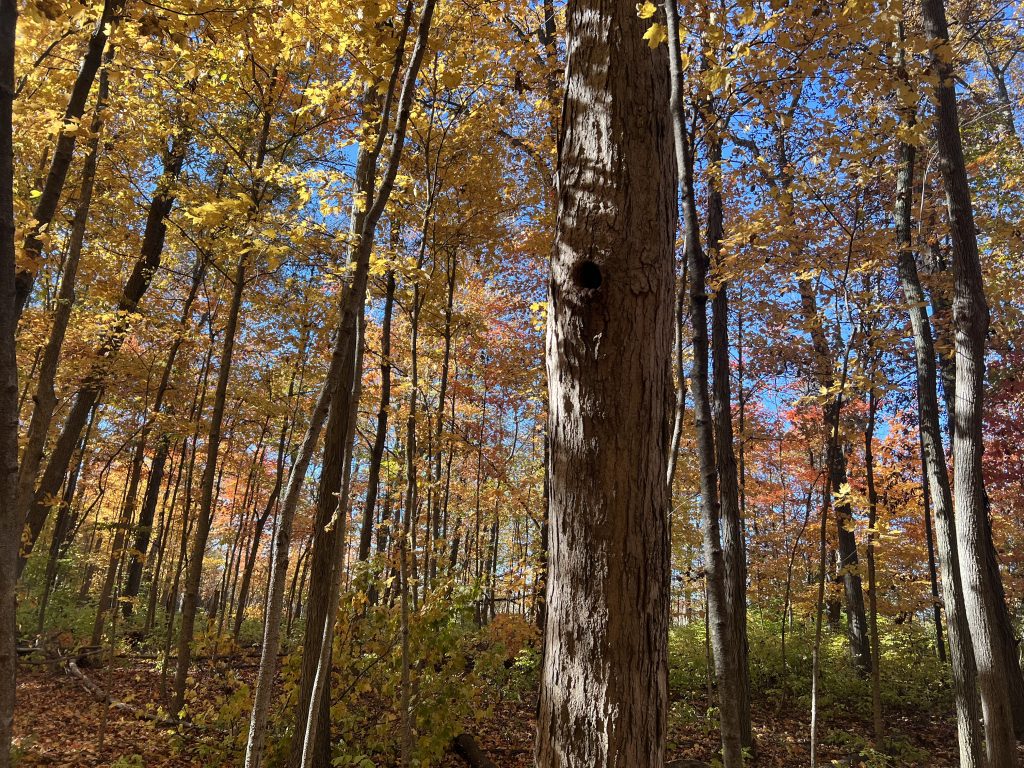
An Ohio Based Timber Buyer & Logging Company
Sell Your Timber with Confidence
We work directly with private landowners to evaluate standing timber, explain current market conditions, and guide responsible harvest decisions.
Ohio Timber Works
Benefits of Hiring a Professional Ohio Timber Works Contractor
Get the most for your standing timber from a reputable logging company that employs best practices and exercises care and consideration throughout the logging operation. We follow environmentally conscious logging practices, ensuring long-term forest health while maximizing your timber’s value.
Responsible Harvesting
A growing logging company and timber buyer
Ohio Timber Works works directly with landowners to responsibly harvest hardwood timber while maintaining long-term forest productivity and ecological health.

Landowner Guidance
Logging FAQ
Answers to the most common questions landowners have when choosing a logging company to harvest their standing timber.
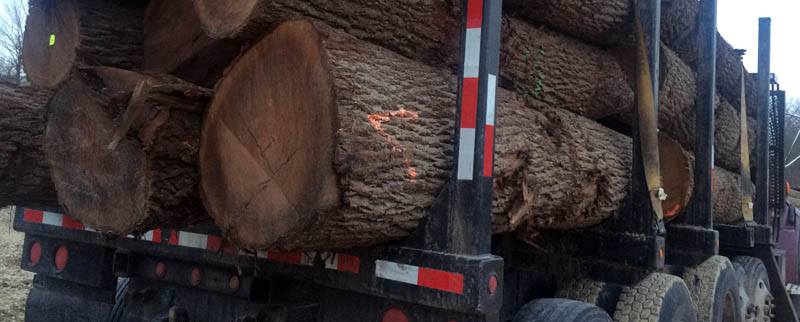
Timber Buying
Highly Competitive Timber Pricing
Through aggressively developing markets here and abroad, Ohio Timber Works consistently pays prices that exceed regional stumpage averages across Ohio and neighboring states.
Resources
Glossary and Calculator
Glossary of common timber and lumber industry terms along with a board-foot calculator for estimating timber volume.
Specialty Product
Trailer Decking
Quartersawn white oak trailer decking is strong, durable and reliable. Without treatment or maintenance it will last on your trailers for decades.

Hardwood Products
Hardwood Lumber
From wide walnut boards to rough-cut white oak and specialty hardwood stock, Ohio Timber Works mills and brokers premium North American hardwood lumber.
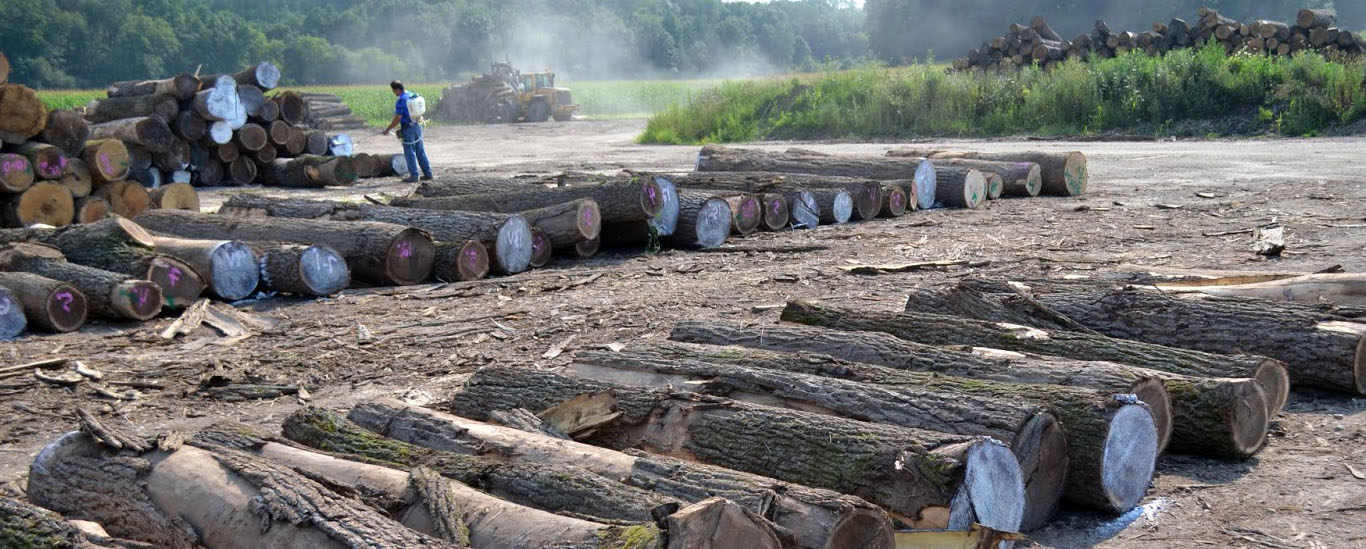
Business to Business
Log Brokering
Ohio Timber Works connects hardwood log producers with sawmills and manufacturers through an efficient log brokering network.
Landowner Services
Sell Your Timber in Ohio
Ohio Timber Works helps landowners evaluate timber value, plan responsible harvests, and direct hardwood logs to their highest value use.